Sweepstakes gaming platforms have introduced a unique legal framework that provides digital casino entertainment across regions where traditional gambling remains restricted. By leveraging a dual-token ecosystem, these sites allow players to enjoy various casino-style titles without placing direct real-money wagers. Understanding the underlying operational structure helps enthusiasts evaluate the distinctions between recreational play and promotional prize redemptions.
The Mechanics of Dual-Currency Gaming Systems
Virtual sweepstakes platforms rely on two primary currencies known as Gold Coins and Sweeps Coins. Gold Coins serve exclusively for entertainment, carrying no monetary value and allowing players to practice games freely. In contrast, Sweeps Coins act as promotional entries that can be accumulated through gameplay and eventually redeemed for cash prizes or digital gift cards.
Acquiring Sweeps Coins usually occurs through complimentary methods, such as daily login bonuses, social media giveaways, or as bonus credits when purchasing Gold Coin packages. Direct purchases of redeemable coins are strictly prohibited under US sweepstakes laws to maintain legal compliance. This distinction ensures that participation remains legally classified as a promotional sweepstakes rather than standard real-money gambling.
How Prize Redemptions and Eligibility Operate
Before converting accumulated promotional coins into tangible rewards, users must complete standard identity verification procedures to comply with state regulations. Most platforms set minimum threshold limits for redemptions, requiring players to reach a specific token balance before submitting a payout request. Once verified, requests are processed through electronic bank transfers, digital wallets, or alternative payment solutions.
While sweepstakes sites offer extensive accessibility, eligibility varies based on regional legislation and local age requirements. Players comparing global digital platforms or exploring established brands like M88 Esports often note that regional licensing dictates accessibility and operational transparency. Reviewing local consumer protection guidelines ensures players engage with reputable operators that adhere to proper compliance protocols.
Evaluating Game Variety and Platform Fairness
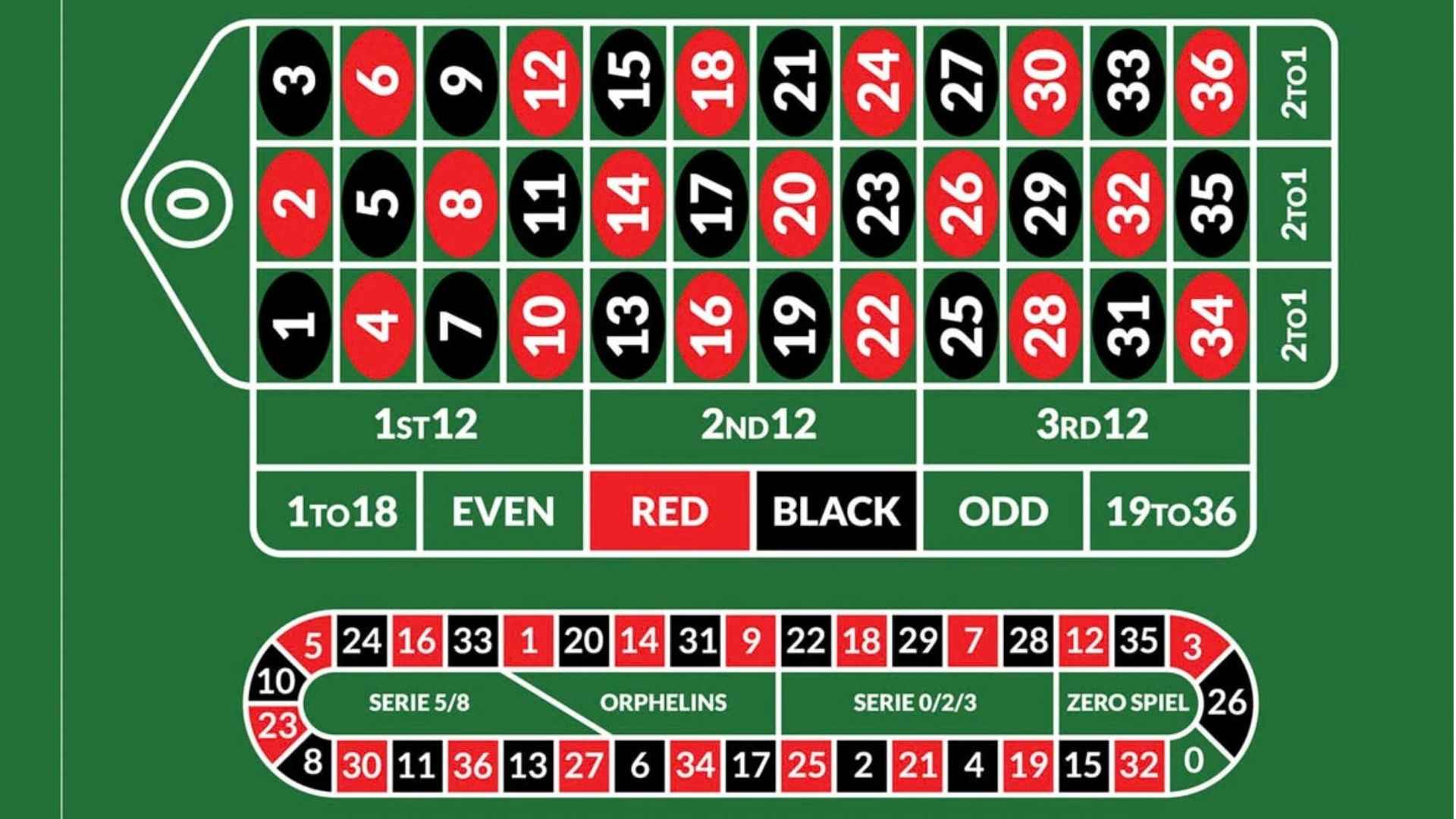
The library of games available on sweepstakes portals closely mirrors standard digital gaming sites, featuring video slots, blackjack, and table variations. Software developers utilize certified Random Number Generators to ensure every spin or card deal yields completely unbiased outcomes. This mathematical fairness gives participants equal opportunities regardless of whether they play with promotional or standard tokens.
Many modern sweepstakes platforms also integrate live dealer features, expanding interactive options for casual players. Transparent operators prominently display their Return to Player percentages and game rules within the site interface. Access to clear statistical metrics enables individuals to make informed decisions regarding gameplay management.
Best Practices for Responsible Sweepstakes Participation
Engaging with sweepstakes games requires a thoughtful approach to bankroll management and time allocation. Setting strict personal limits on voluntary coin purchases prevents overspending while preserving the recreational nature of the activity. Utilizing available account tools, such as daily purchase caps or session reminders, promotes a balanced gaming routine.
Ultimately, sweepstakes portals offer an accessible, legally compliant alternative for dynamic gaming entertainment. By understanding currency structures and redemption guidelines, players can confidently navigate these platforms while prioritizing safety and responsible habits.