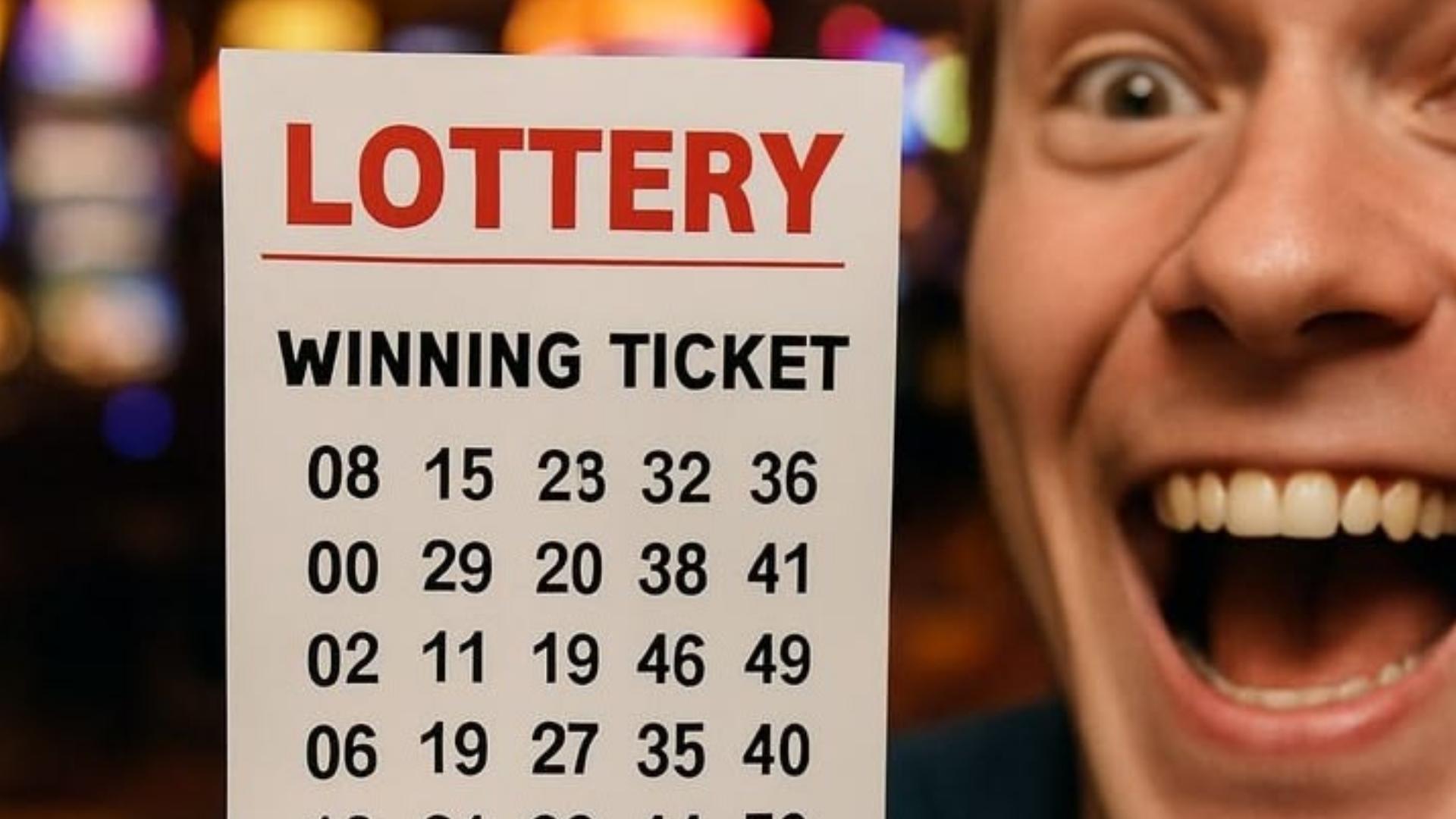
The human brain thrives on unpredictability, making the mechanics of chance a primary driver in modern game design. Random reward systems trigger a complex sequence of psychological responses that keep players deeply engaged. By analyzing how these systems function, we can better understand the emotional roller coaster that keeps participants coming back for more.
The Initial Spark of Intense Anticipation
The moment before a random prize is revealed is often more powerful than the actual reward itself. This brief period of waiting creates a unique mixture of hope, curiosity, and excitement. Players experience a natural surge of dopamine as they visualize the best possible outcomes in their minds.
This heightened emotional state makes even simple interactions feel meaningful and dramatic. The design elements, including flashing lights and rolling sound effects, are deliberately calibrated to prolong these feelings. As a result, the journey toward uncovering an unknown item becomes a central pillar of the overall entertainment value.
Navigating the Contrast of Relief and Disappointment
When the uncertainty ends and the result appears, players immediately transition into a different emotional territory. Landing a rare prize delivers instant validation, creating a profound sense of achievement and satisfaction. This positive feedback loop reinforces the desire to repeat the experience during future play sessions.
Conversely, receiving a common or undesired item can bring brief feelings of disappointment or frustration. However, modern game developers balance these systems carefully to ensure that small rewards still provide functional value. Engaging with platforms via a secure boss29 login allows users to explore well-designed interactive loops that keep gameplay fair and consistently entertaining.
The Long Term Psychological Impact of Curiosity
Sustained engagement with random reward formats depends heavily on keeping the player curious about what might happen next. Human nature is fundamentally driven to complete sets, discover secrets, and overcome structural randomness. This internal motivation transforms a passive pastime into an active personal pursuit.
By varying the types of incentives and shifting thematic presentation styles, creators prevent the experience from growing repetitive. The constant promise of a fresh surprise keeps the underlying mechanics interesting over extended periods. Ultimately, balancing simple accessibility with deep emotional variance ensures that these systems remain a favorite across global digital platforms.