Mastering mathematical theories often feels challenging for young learners when restricted to static formulas. Introducing interactive exercises into the classroom helps clarify complex mathematical laws by converting abstract variables into physical challenges. By exploring these foundational statistics firsthand, students can build a deeper understanding of risk and analytical thinking.
The Power of Hands-On Coin Flipping
Tossing a standard coin remains one of the simplest methods for demonstrating theoretical versus experimental outcomes. Students can record the data of multiple trials to observe how results eventually align with standard predictions. This straightforward activity trains the human brain to move past emotional guesswork and rely on structured statistical reasoning.
When performing these dynamic experiments, learners quickly realize that short sessions often yield unexpected variations. However, increasing the number of trials reveals the hidden patterns that govern modern probability theories. This basic exercise serves as an exceptional baseline for tracking simple numerical distributions.
Visualizing Data with Dice Simulations
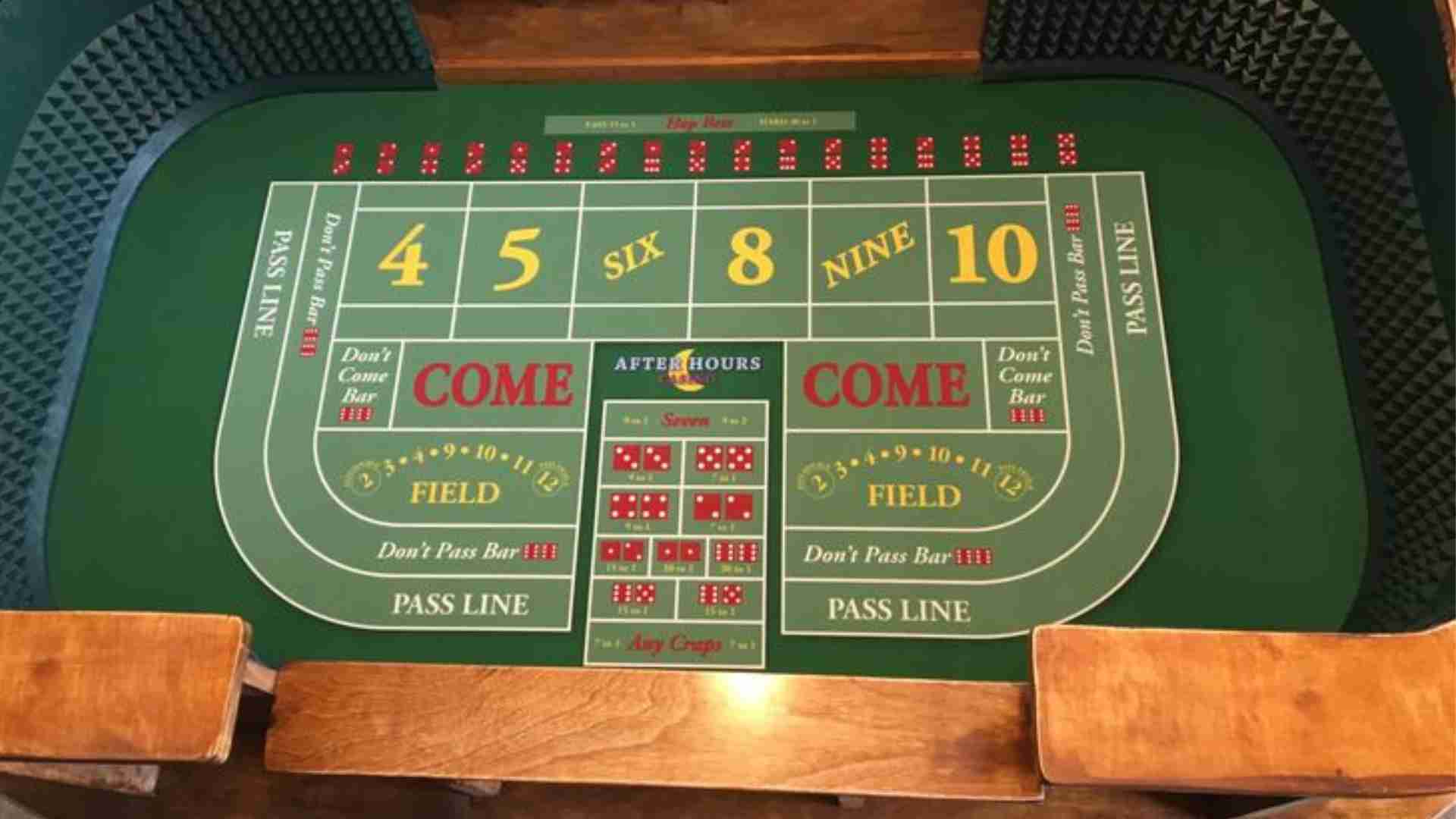
Dice games offer a highly engaging environment where students manipulate variables and calculate potential outcomes in real time. Rolling a pair of standard cubes helps learners calculate the frequencies of different sums and predict long-term patterns. Shifting the focus toward play transforms complex algebraic equations into memorable lessons.
Many digital platforms also simulate these exact principles to provide immediate feedback for educators and students alike. When exploring these interactive methods, accessing an official portal like Link M88 can offer advanced digital setups to test hypotheses quickly. Using these technical tools helps classes expand their data collections without consuming valuable hours.
Understanding Independent Events Through Cards
Card challenges provide another excellent foundation for understanding conditional outcomes and shifting ratios within a fixed set. By tracking which elements have been drawn, students learn how the absolute likelihood changes with each separate move. This practical approach transforms standard classroom lectures into dynamic problem-solving sessions.
Cooperative learning environments encourage participants to debate their analytical choices and compare mathematical strategies. Evaluating the difference between luck and calculated adjustments helps students build long-term confidence in their logic. These collaborative habits prepare young minds to navigate structural uncertainty in everyday modern scenarios.
Applying Probability to Everyday Choices
Connecting statistical exercises to real-world architectures helps individuals realize how numbers dictate their daily routines. From interpreting morning weather forecasts to analyzing strategic planning models, probability shapes numerous aspects of life. Developing this foundational knowledge transforms everyday choice formulation into an informed discipline.
Ultimately, integrating active classroom exercises ensures that mathematical statistics remain accessible and highly rewarding. By shifting focus toward active participation, educators can cultivate practical skills that extend far beyond the textbook. Regular logical training prepares the next generation to make balanced, evidence-based decisions.